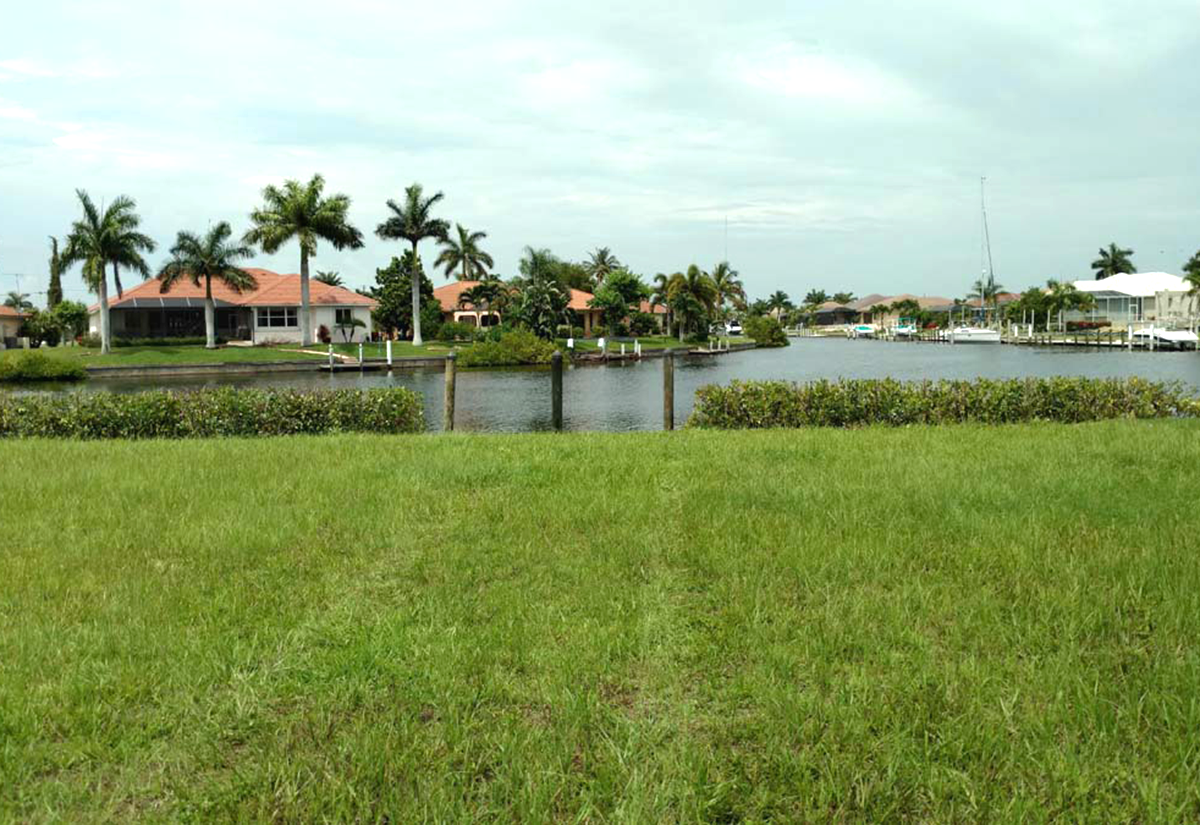
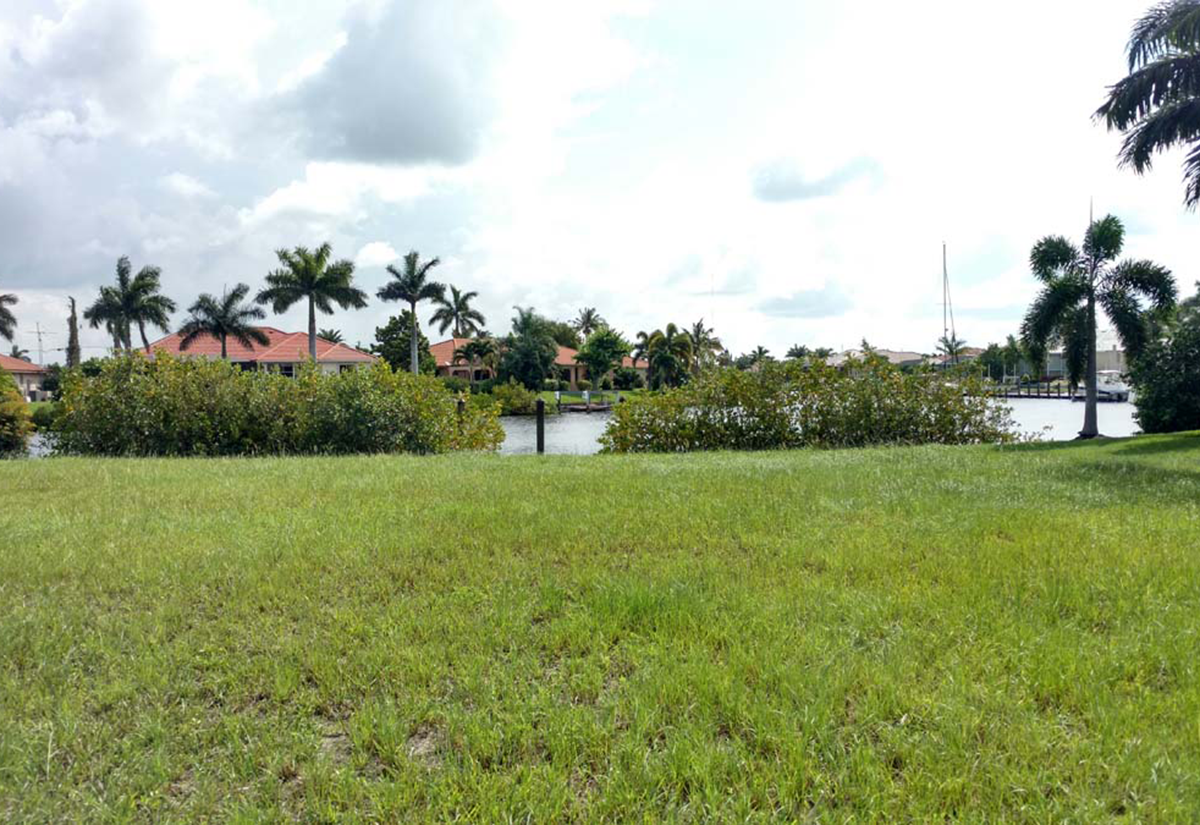
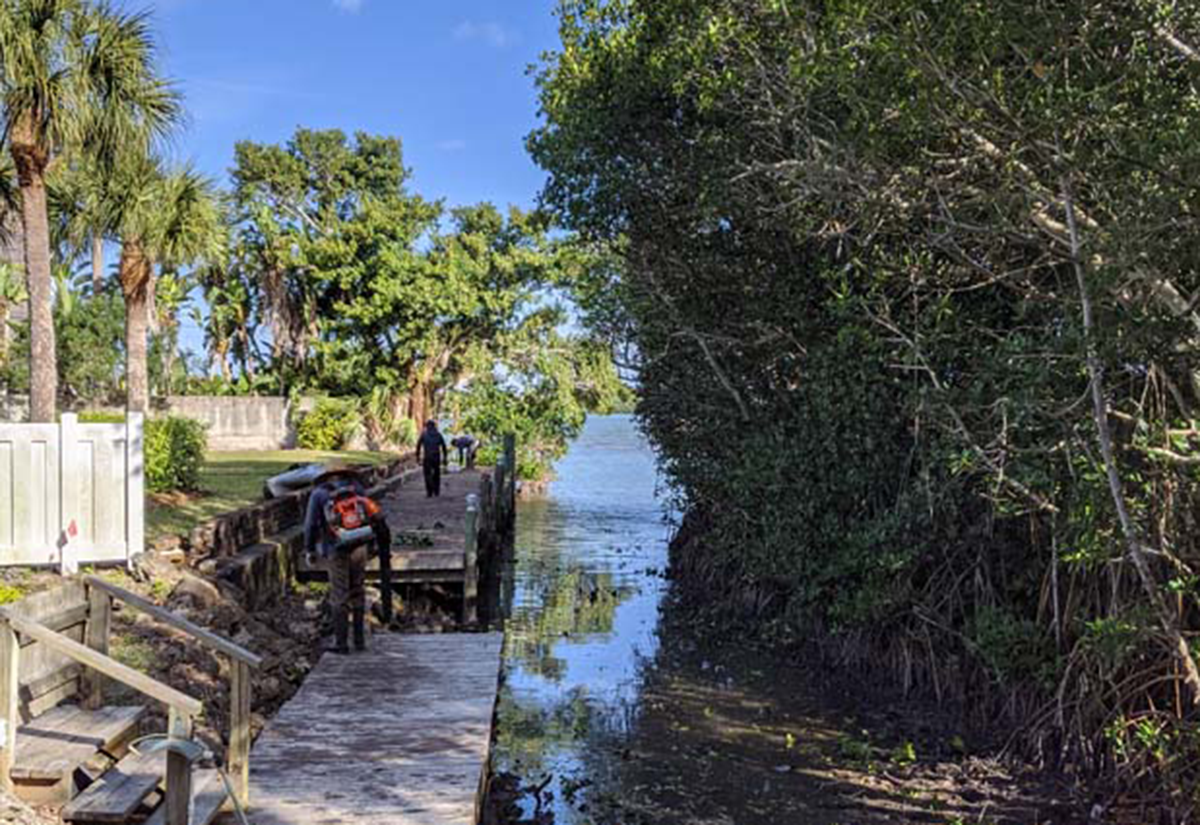
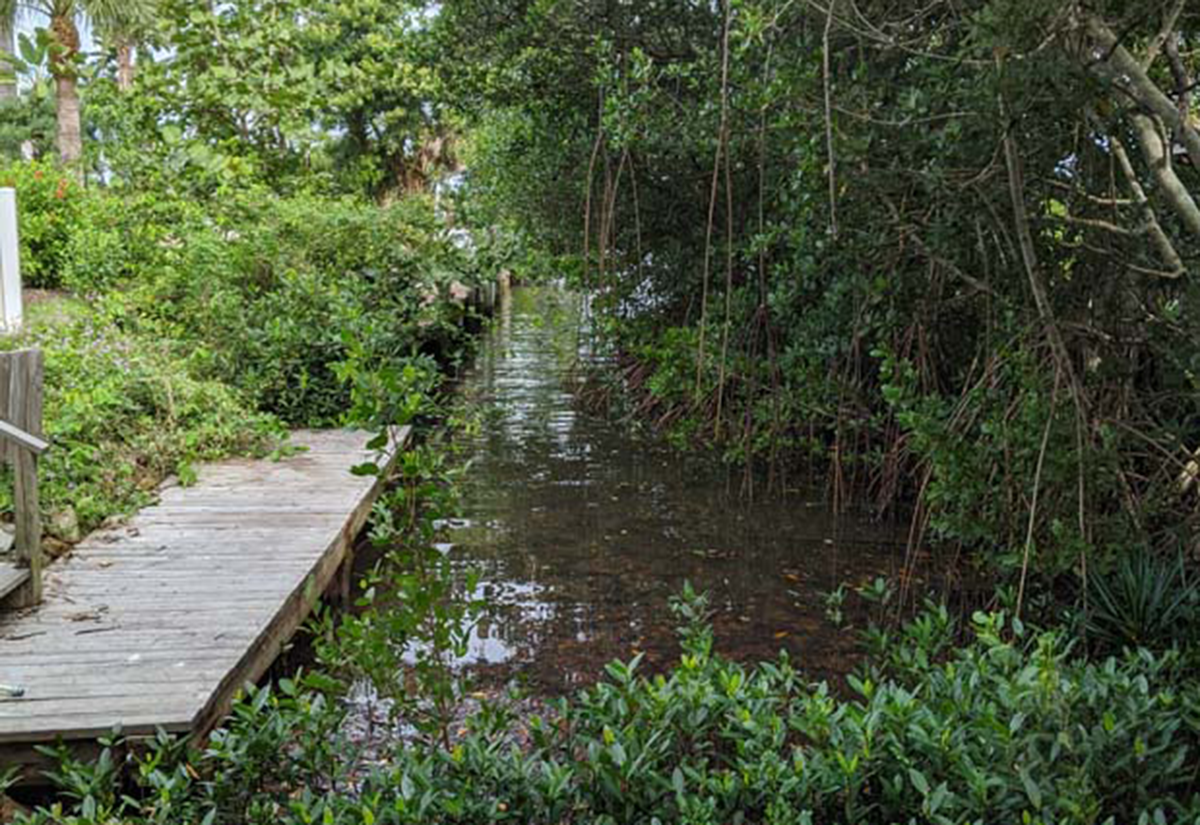
Create a beautiful and functional display with professional mangrove tree trimming services from Suncoast Environmental Group in Bradenton, Florida. Our team is able to handle various tree and wetland maintenance projects for your property.
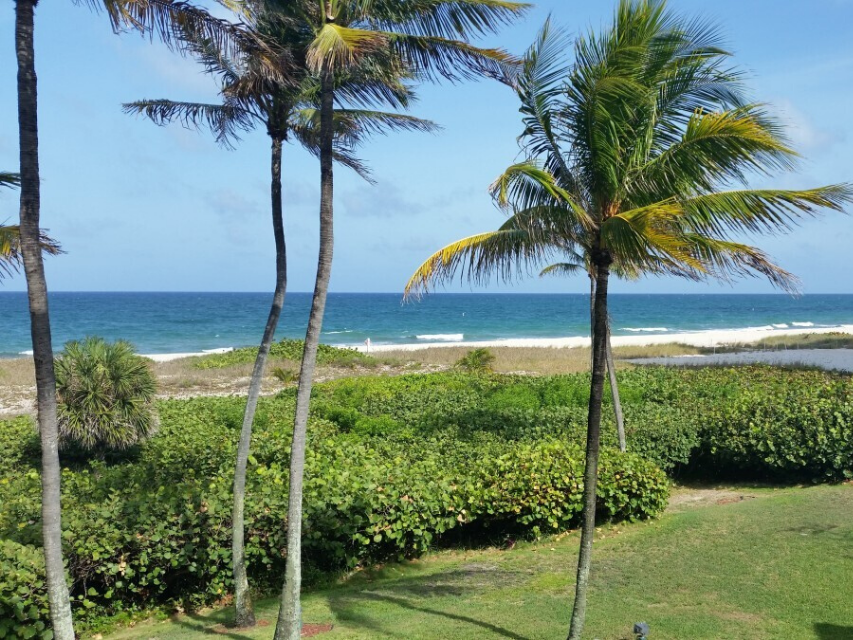
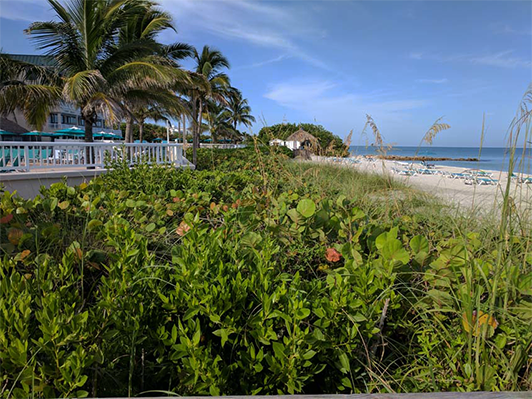
Beachfront sand dunes are the first line of defense against storms and act as a buffer to protect upland property and natural habitats. These sand dunes are home to many plants and animals that can withstand the harsh environment of salt spray, shifting sand, intense sunlight and storms. Native coastal landscapes are needed to build and anchor the sand dunes by trapping wind-blown sand and conserving our natural resources, such as soil and water.
Drainage ditches and culverts often become overgrown with mangroves and other vegetation which reduces the value of the system. The Department of Environmental Protection allows for the continued maintenance of a permitted structure. At times, the area around these structures needs to be trimmed back to allow for proper water flow and discharge.
Suncoast Environmental provided the vegetation removal for the Wares Creek dredging project in Manatee County. The project, provided by the U.S. Army Corps of Engineers, was one of the largest waterway cleanups in the region to clean out decades of sludge that stalled the flow of Wares Creek.
The 1996 Mangrove Trimming and Preservation Act allows for the limited trimming of mangroves within existing navigational channels, basins, or canals to provide clearance for the navigation of a watercraft.
Mangrove Maintenance
Create a beautiful and functional display with professional mangrove tree trimming services from Suncoast Environmental Group in Bradenton, Florida. Our team is able to handle various tree and wetland maintenance projects for your property.
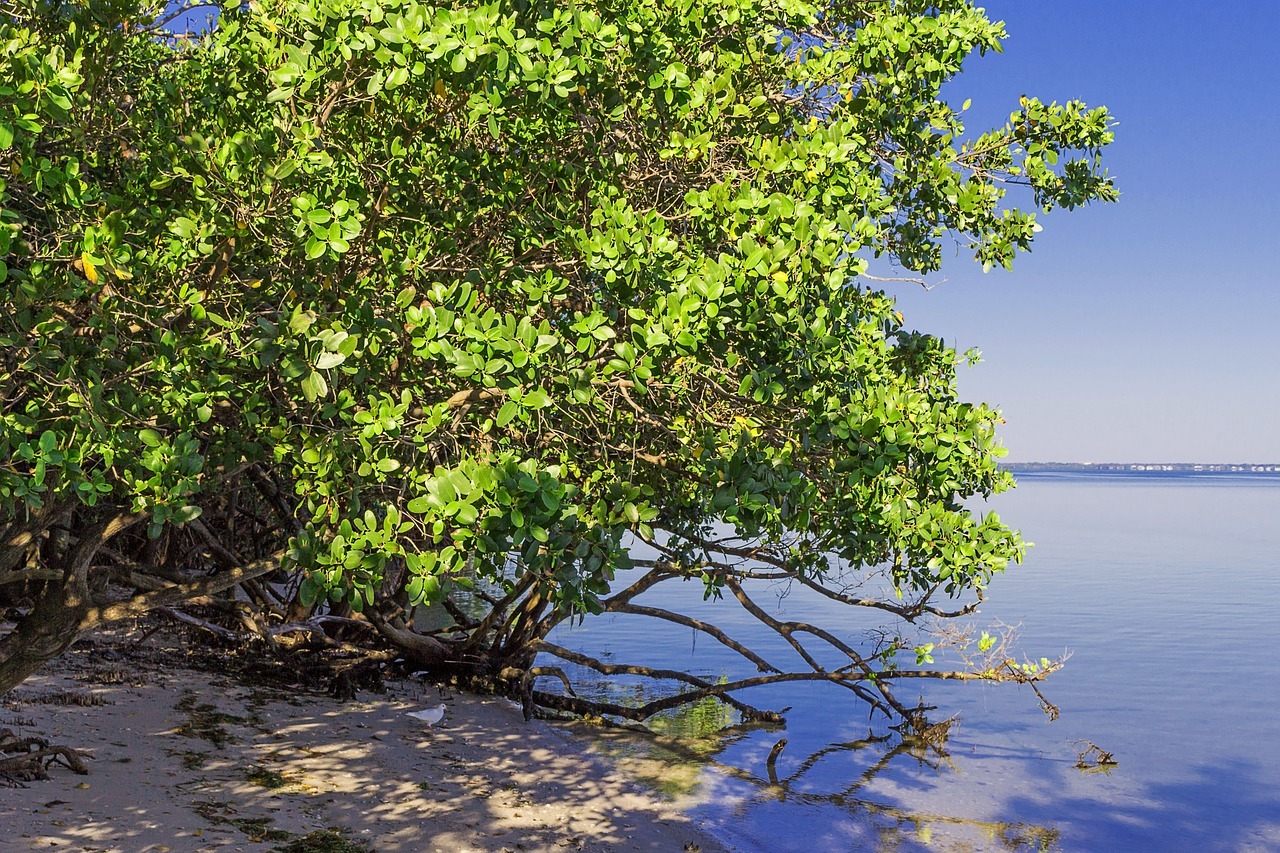
Mangroves are tropical plants that adapt to loose, wet soil and salt water. The trees are periodically submerged by tides. The Department of Environmental Protection implements statues that regulate the trimming of mangroves.
There are more than 50 species of mangroves, but only three are native to the Florida area. The native species are the Red mangrove (Rhizophora Mangle), Black mangrove (Avicenna Germainans), and the White mangrove (Languncularia Racemosa).
Mangrove trimming is protected and permitted under sections 403.9321-403.9333 of the Florida Statutes, the 1996 Mangrove Trimming and Preservation Act. Our teams are licensed to permit and trim mangroves in the state of Florida. Mangroves can be trimmed in a variety of ways to provide a pleasing view while protecting the health of the tree.
Mangrove trimming serves vital functions in the environmental health cycle and the health cycle of the tree. There are different methods of trimming, such as topping, stage trimming, and window trimming. Tree Topping is one of the most widely used trimming styles. Also known as hedging, topping involves maintaining the tops of the mangroves at a particular height. The mangrove is usually no lower than six feet, unless documented historical trimming can be provided. Stage trimming involves trimming the upper portion of the canopy by no more than 25% of the foliage. This method is effective for reducing mangroves in height overtime, while ensuring the tree's health. Window trimming provides a view through the larger trees by the selective removal within the lower and central areas of the tree. This is the preferred method of trimming since it allows for a view while maintaining shade, privacy, and a windbreak.
Mangrove trimming services offer a wide array of benefits, including the ability to:
Serve as Storm Buffers
Trap & Cycle Various Organic & Chemical Elements
Provide Physical Habitat & Nursery Grounds
Assist in Protecting Water Quality & Clarity by Filtering Runoff
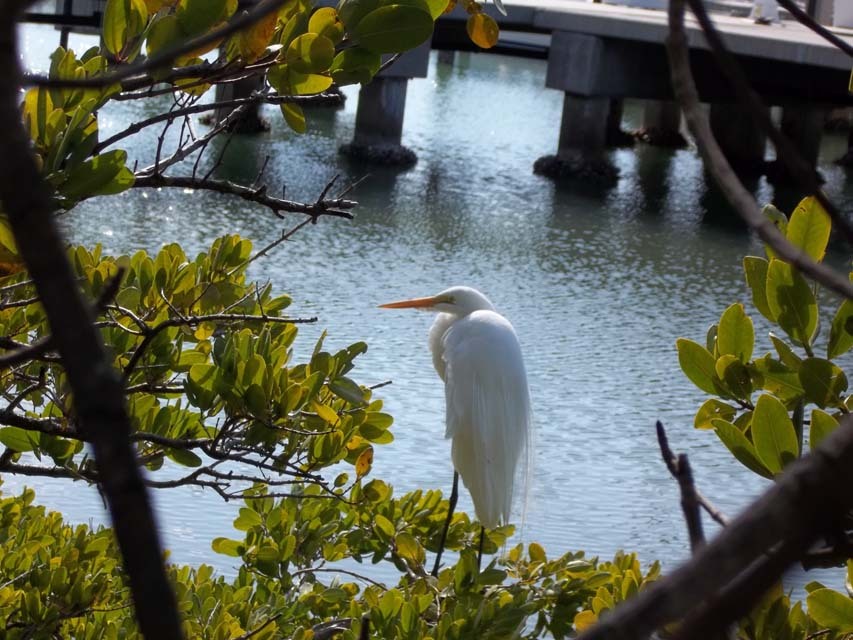
Serve as Roosting & Nesting Sites for Many Birds
Tree Trimming Services
Create a beautiful and functional display with professional mangrove tree trimming services from Suncoast Environmental Group in Bradenton, Florida. Our team is able to handle various tree and wetland maintenance projects for your property.
We offer nonnative and invasive plant management. This includes all Category I and Category II plants identified on the Florida Exotic Pest Plant Councils (FLEPPC) list of invasive species. Some of the most recognized invasive species found in Florida wetlands include Australian Pine and Brazilian Pepper Trees. A complete list of the invasive plants can be found in the documents section.
Australian pine trees were introduced to Florida from Australia during the 1980's. Australian pine invasions often displace native plant communities that provide critical wildlife habitat for threatened and endangered plant and animal life. Through many beach goers enjoy the dense canopy and soft pine needle floors, the pine trees encourage beach erosion by displacing deep-vegetation. Australian pine forests provide little to no native wildlife habitat and are highly recommended for removal.
Brazilian Peppers are large, multi-trunked shrubs or trees that have become the most widespread of Florida's non-native invasive plant species. Brazilian peppers produce dense closed canopy forests that shade out almost all the other plant life. The leaves are evergreen, glossy green, and alternate. Although they vary in shape, the leaves are generally found elliptic to oblong and one to two inches long. Brazilian peppers are related to poison wood, poison oak, and poison ivy. The shrub-like tree also produces dense clusters of small berries that change from green to red as they ripen.
Environmental Services
County Regulatory Agency Consultants
State Regulatory Agency Consultants (Department of Environmental Protection)
Maintain drainage canals and ditches from impeding mangroves and nonnative overgrowth.
Perform permitted dock cutouts thru mangrove fringes.
Provide educational seminars to various groups and associations throughout the state.
Work on behalf of the applicant to achieve environmental permits for the trimming of mangroves.
Who We Are
About Us
Suncoast Environmental Group, Inc. is a full service professional management company. Through the years we have a proven track record of working on behalf of our clients to balance their desires with any local and state regulations. Our clients range from Residential, HOA's, Golf Courses, Builders/Developers, to Commercial Clients, Realtors, Property Managers, Municipalities, and Federal projects. Suncoast Environmental Group, formerly Suncoast Mangroves, was founded by co-owners Daniel Gonzalez and Marc Ebling.
Community Support
As a small business, we support other local businesses and organizations. Our teams proudly volunteer our services to local charities and organizations.
Some Recent Work
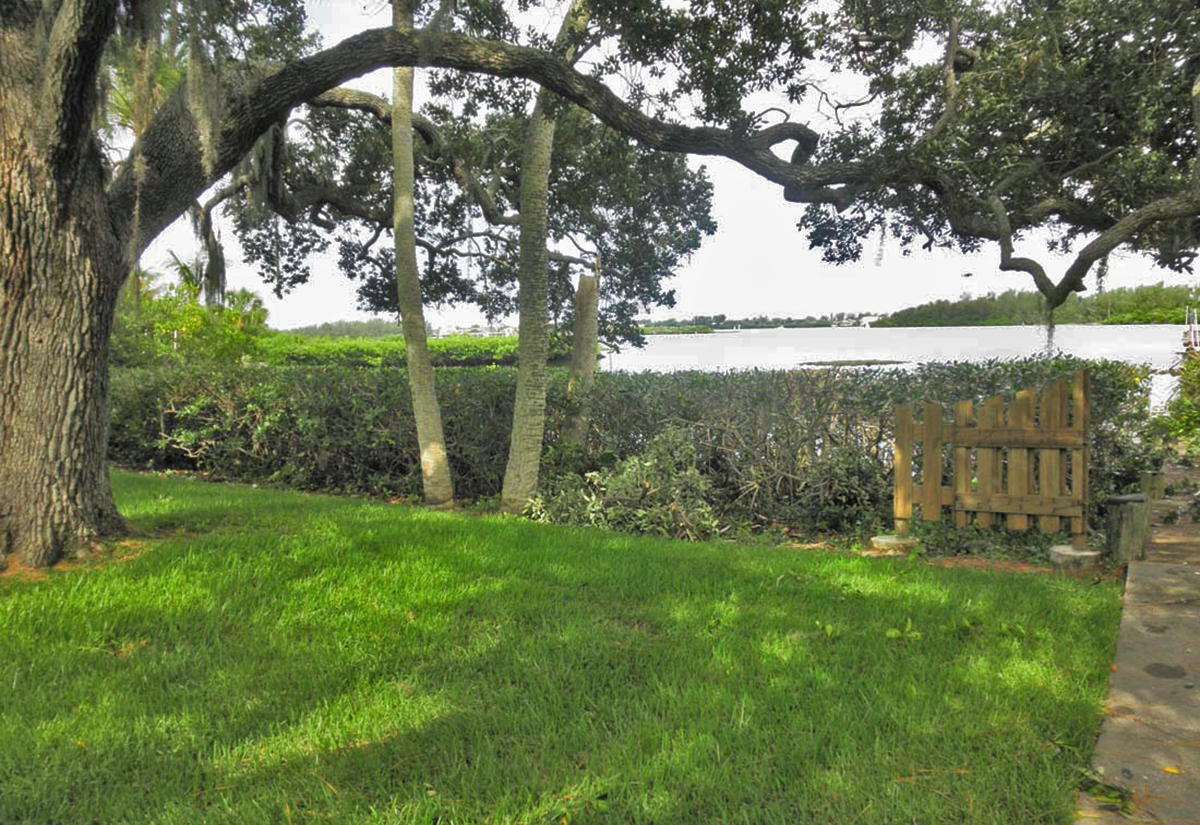
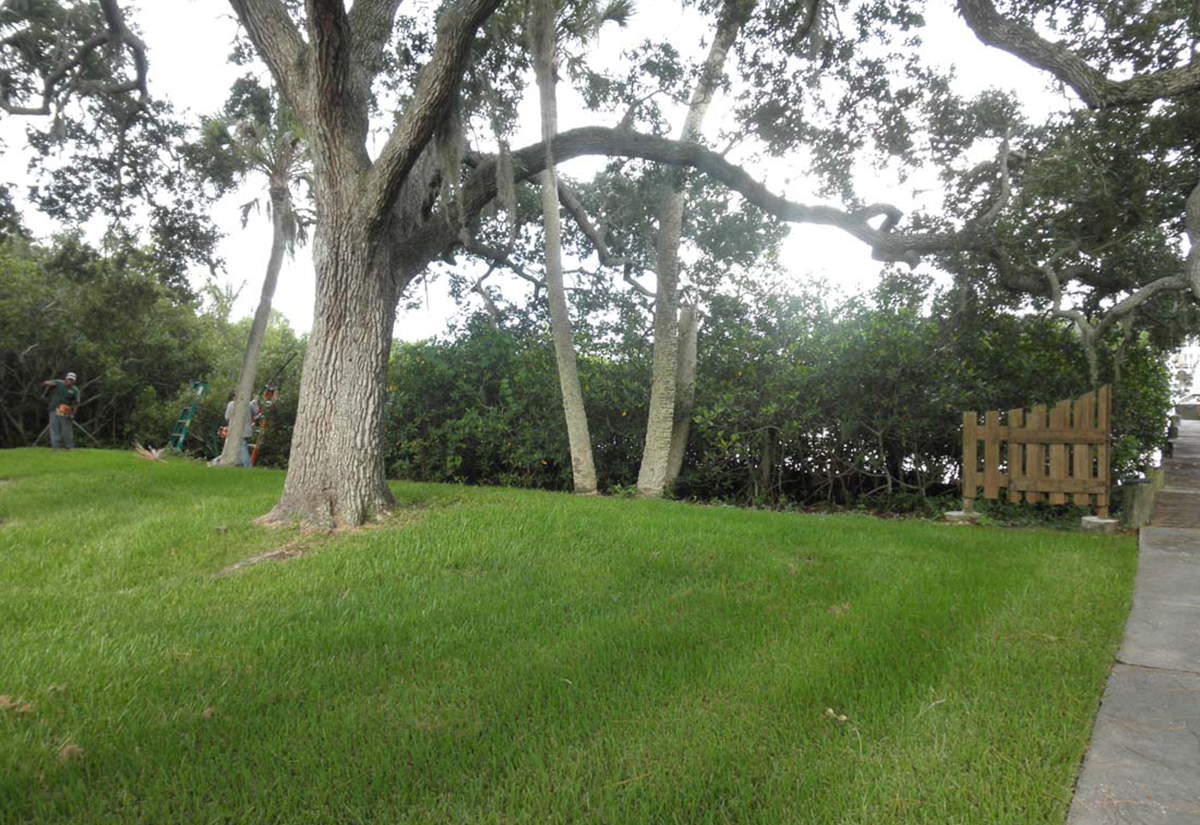
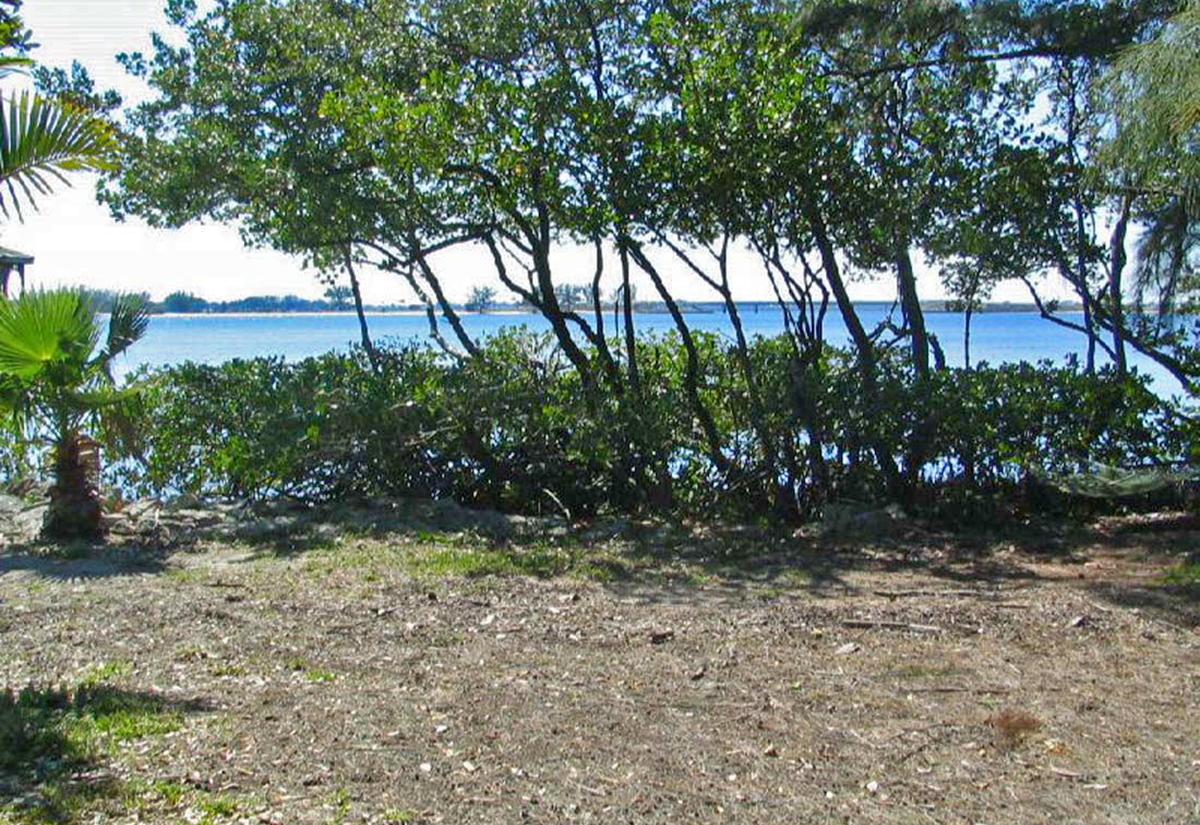
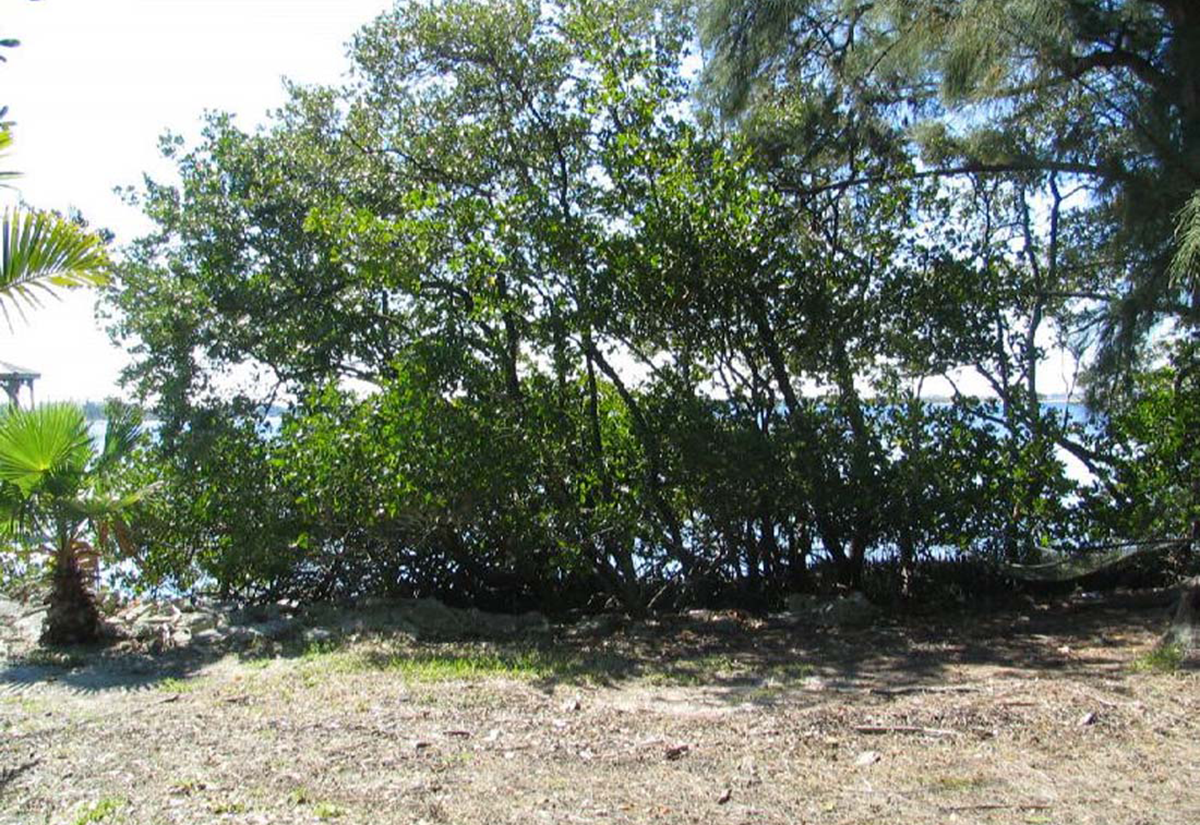
Before and After
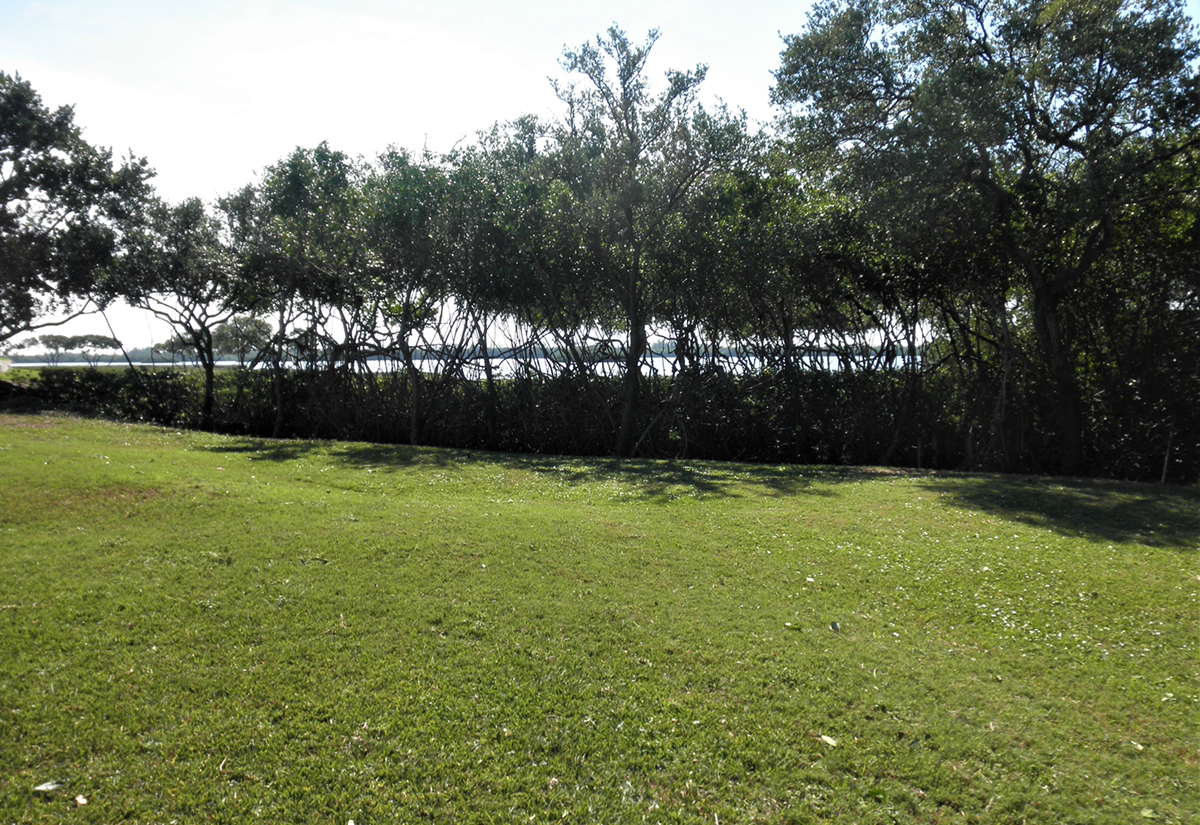
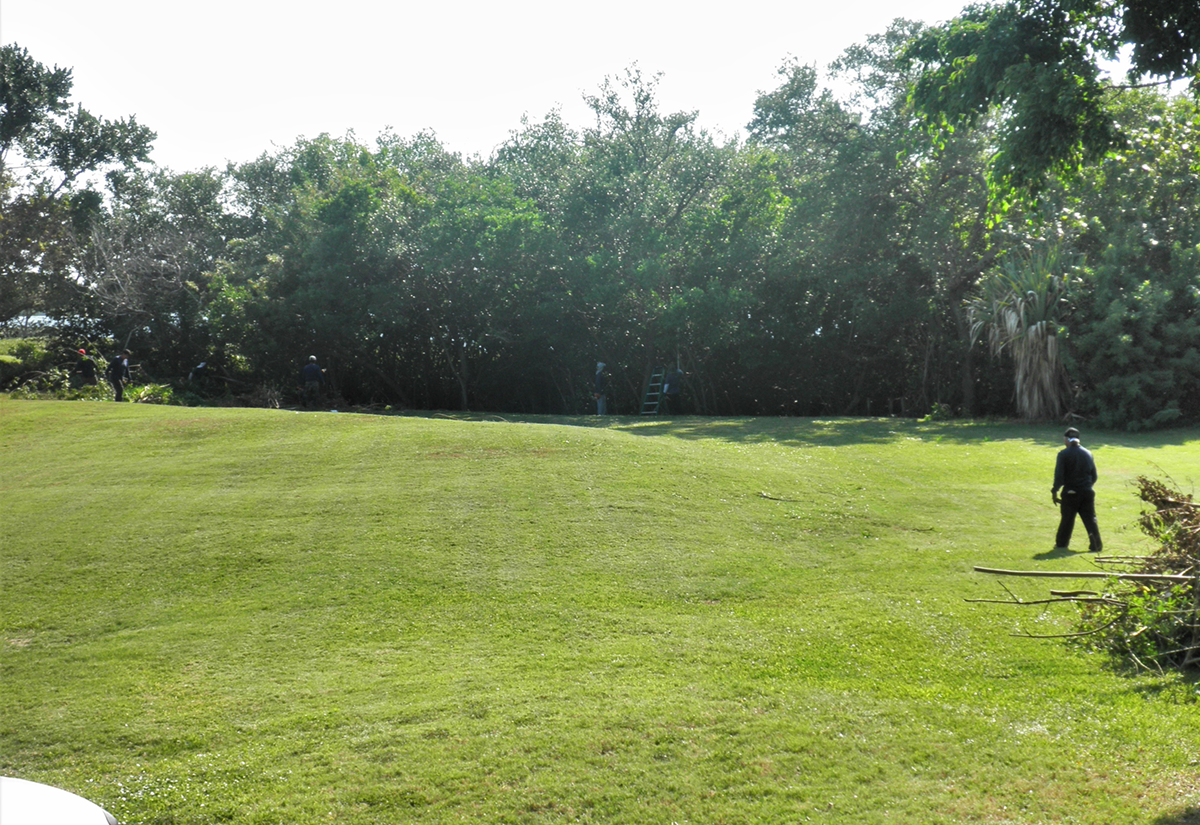
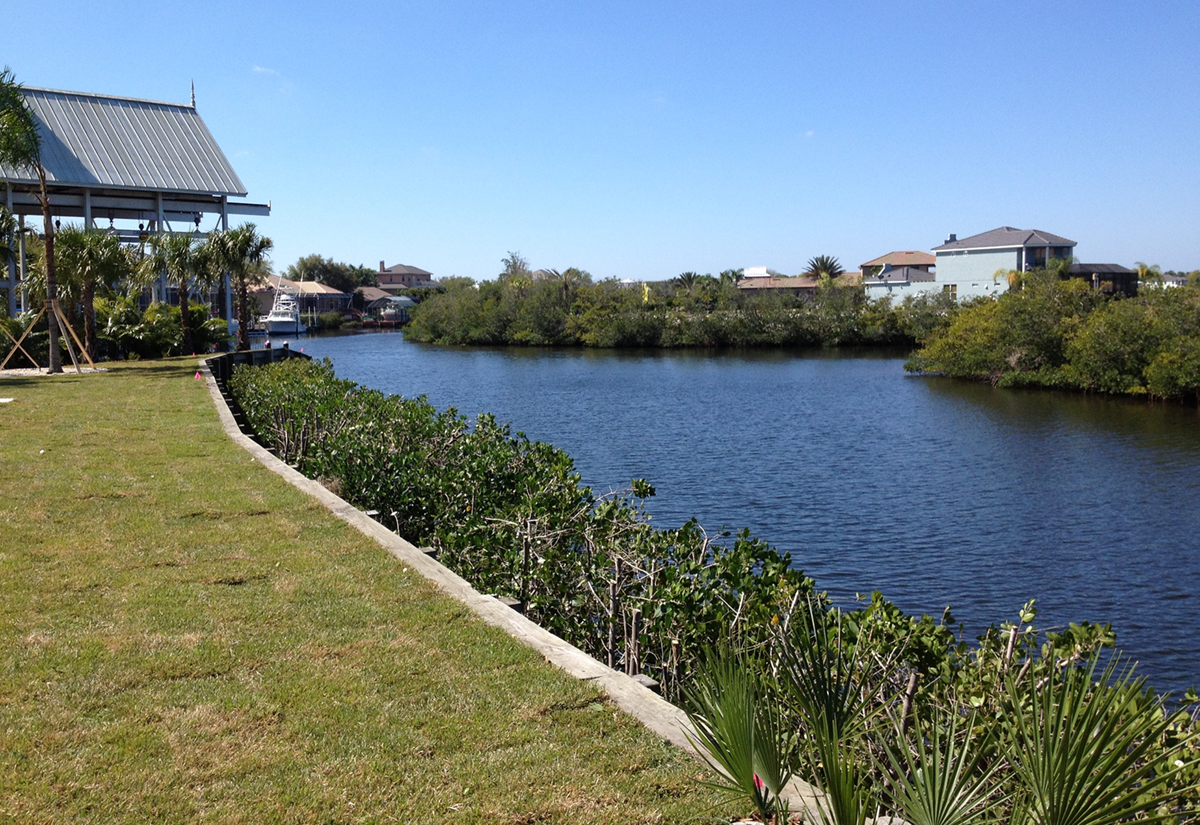
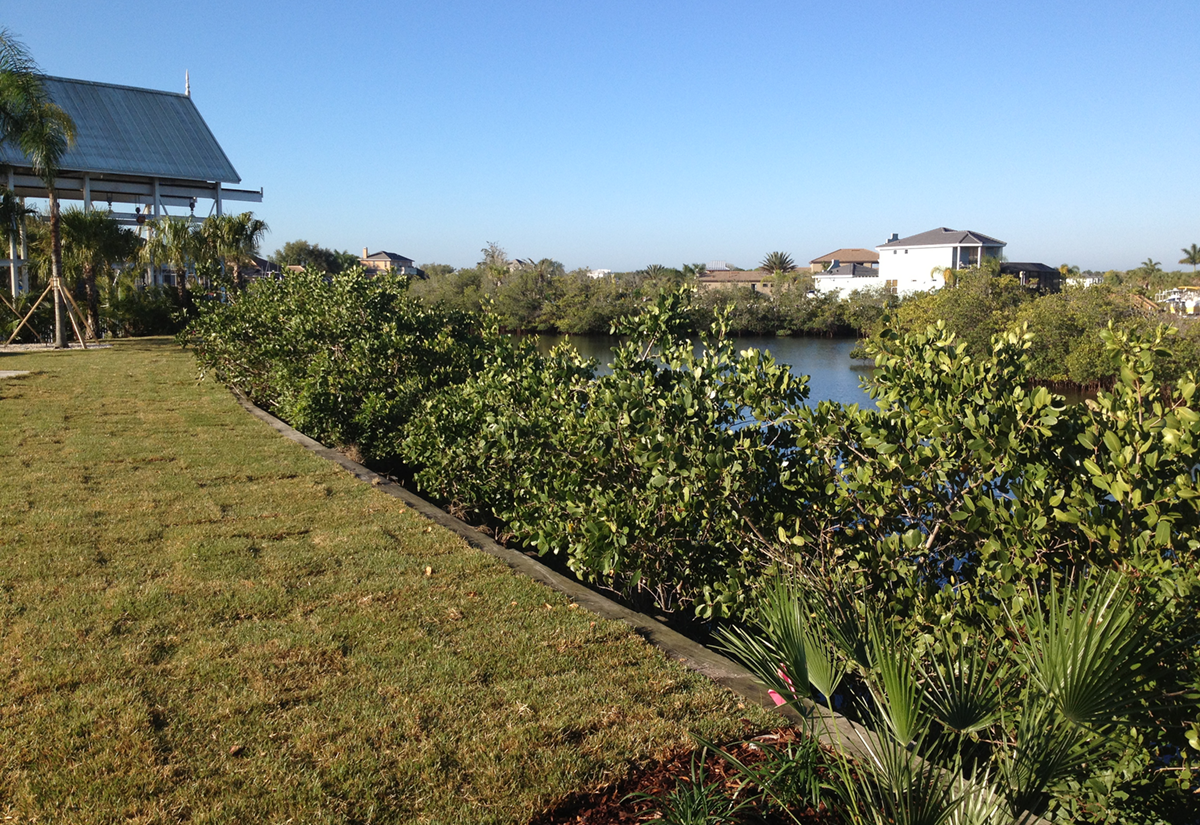
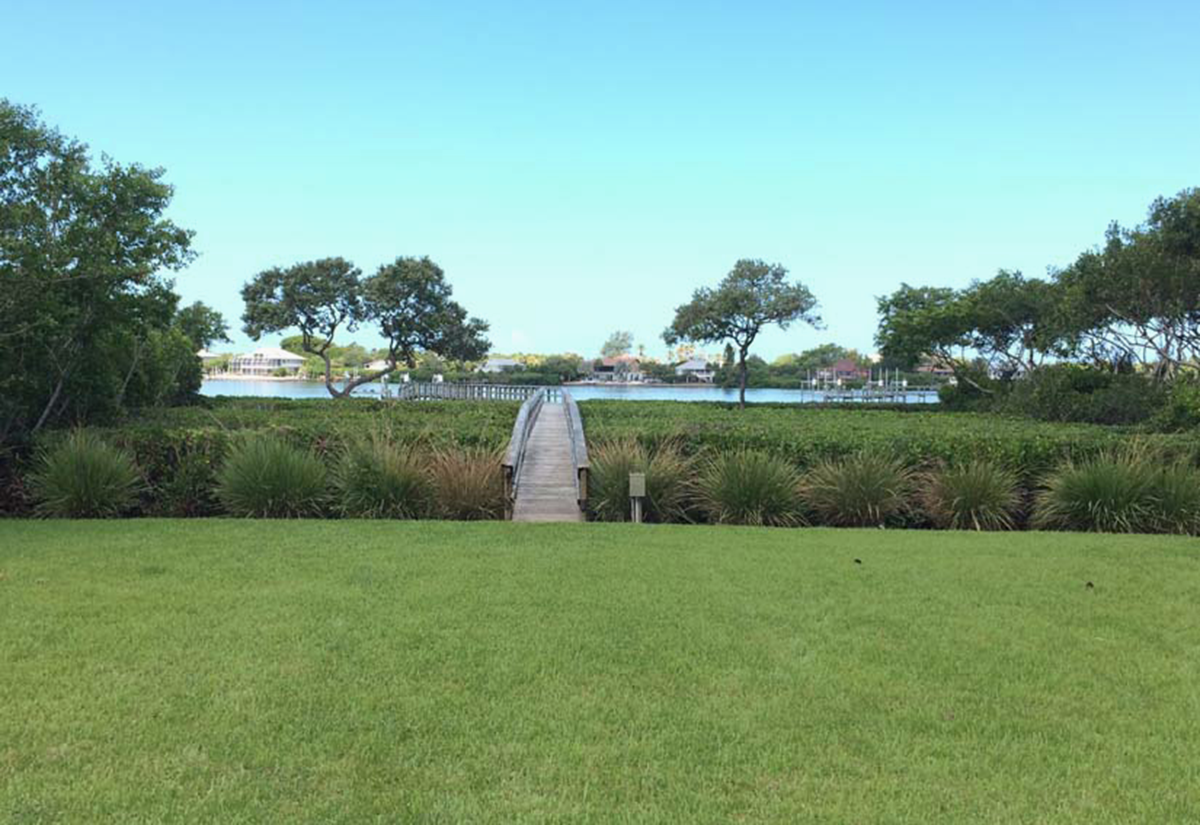
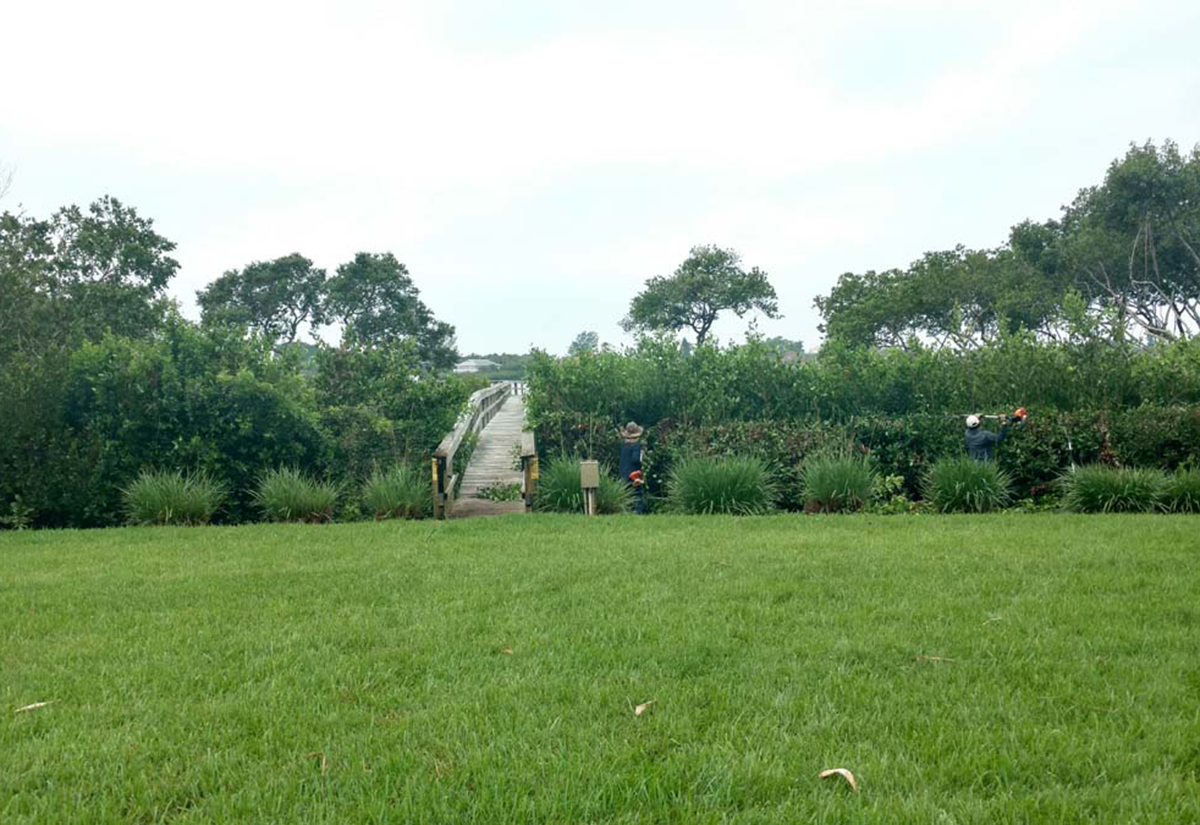
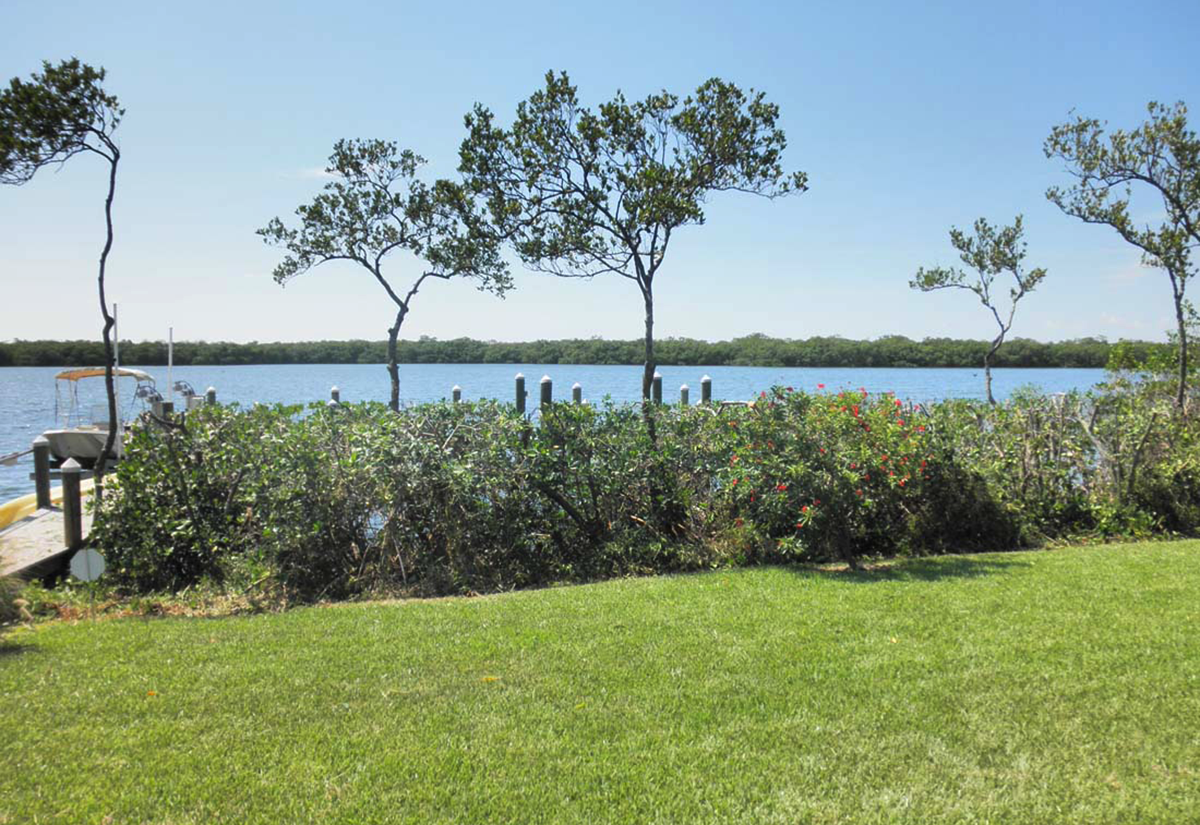
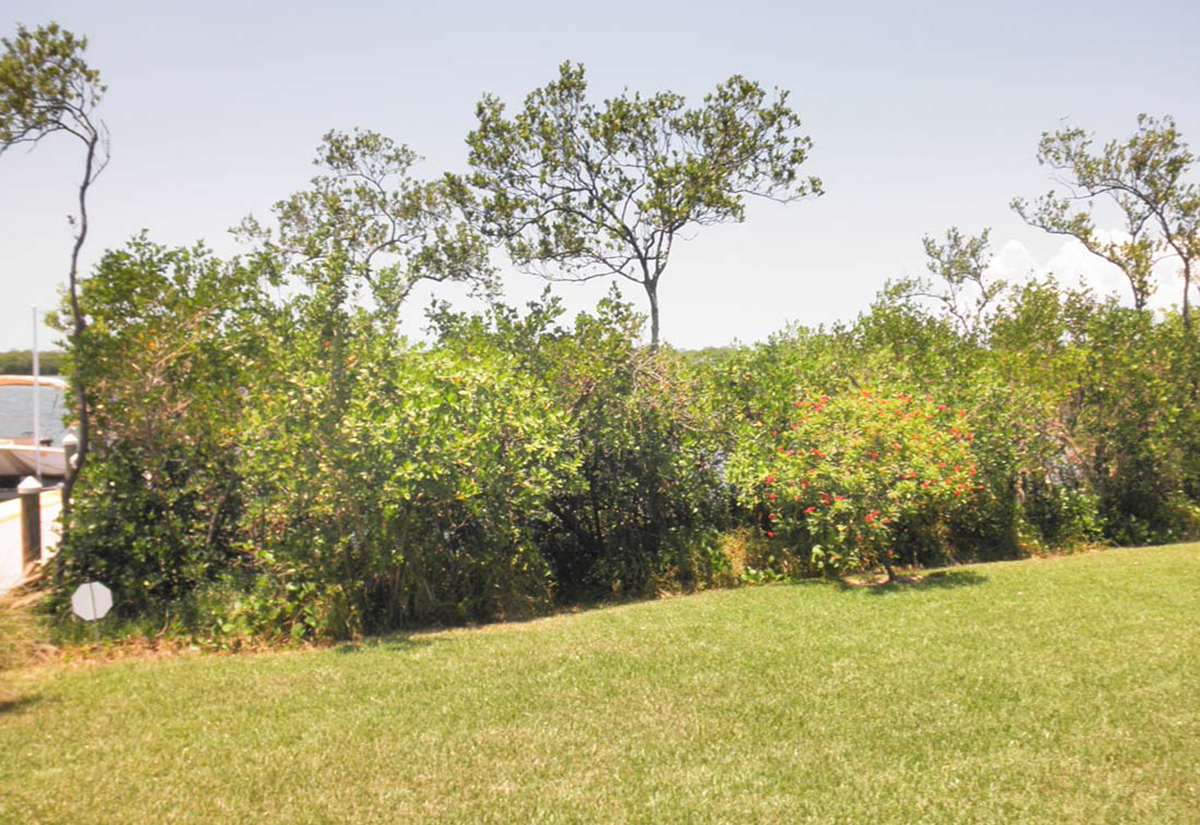
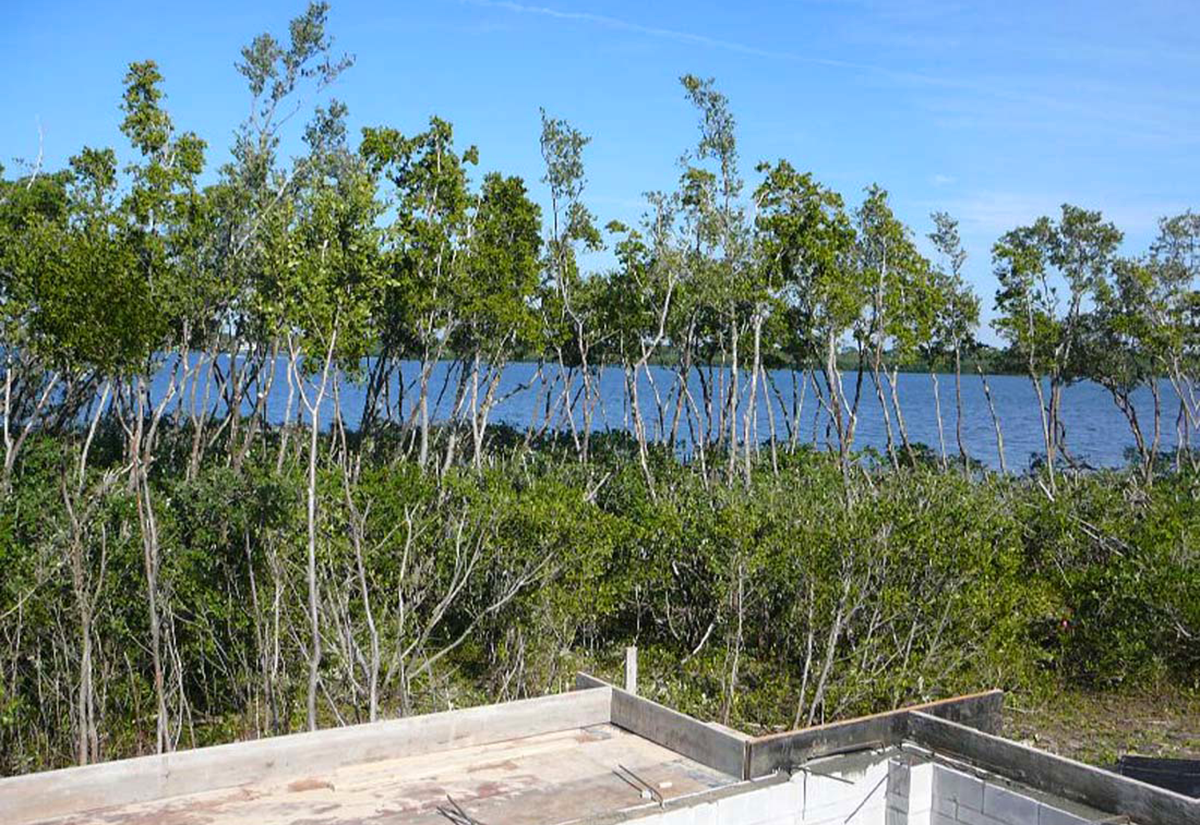
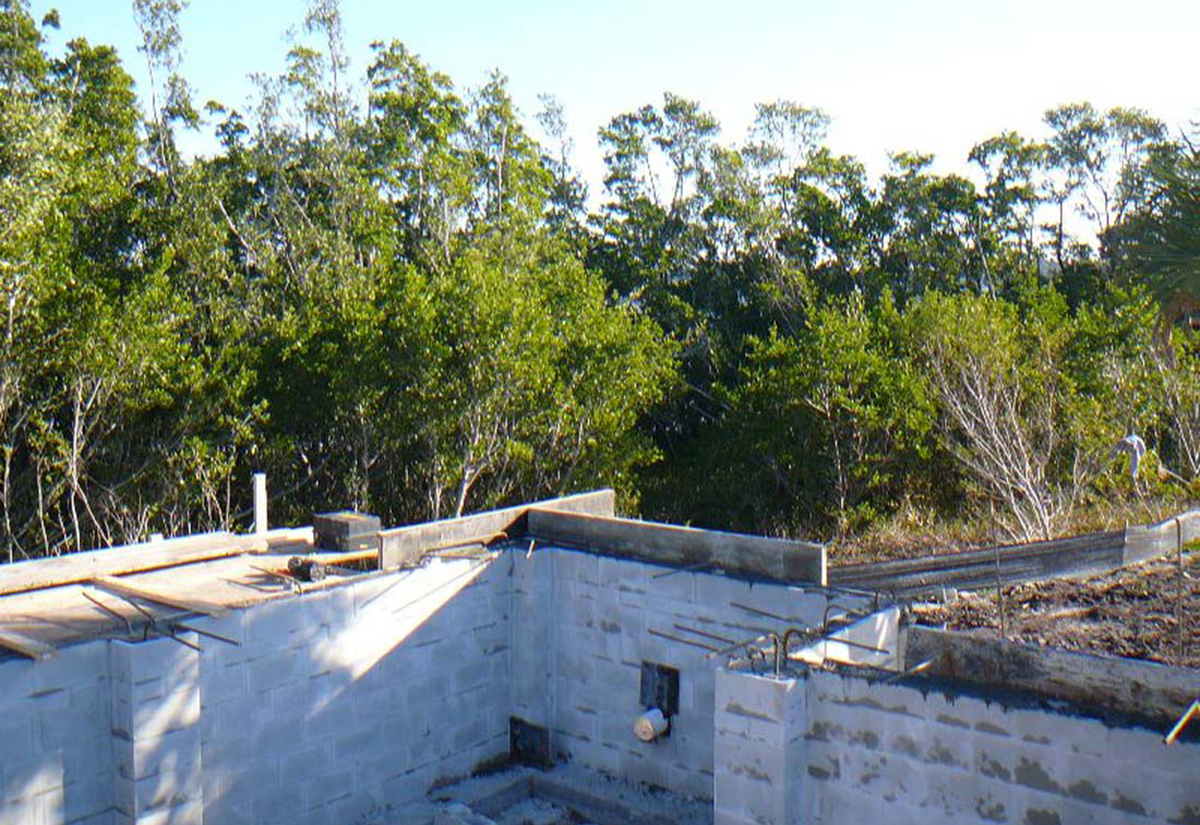
Before And After- Mangrove Trimming. Below are some examples of our tree trimming work. Slide to view Before or After.
People Say
Our Reviews
Seth Adam Smith
These guys are amazing! Professional, hard-working, and kind-hearted. Honestly, some of the best workers I've ever seen. They did such a great job!!!
Dan Barzel
Responsive and knowledgeable, and have a lot of experience around the Sarasota and environs
Rated
They are licensed to cut mangroves and do an excellent job on this, as well as any trees. They do what they say they're going to do when they say they're going to do it. The prices are fair and they are very responsive.
Name
Duis autem vel eum iriure dolor in hendrerit in vulputate velit esse molestie consequat, vel illum dolore eu feugiat nulla facilisis.
Name
Duis autem vel eum iriure dolor in hendrerit in vulputate velit esse molestie consequat, vel illum dolore eu feugiat nulla facilisis.
Creative Minds
Our Team
By creating solutions that make environmental sense, We defend the natural world. Providing Mangrove Tree Trimming Services in Tampa, Sarasota, Bradenton, Fort Myers, Punta Gorda, Port Charlotte, St. Pete, Miami, and Key West.
Daniel has been working in the Environmental Management field since 1995. He and his wife Kerry have four children in addition to adopting two young adults. His time outside of work is divided between volunteering efforts in a local youth program, church positions, occasional fishing or camping trip and most importantly his family. Daniel has been certified by the Department of Environmental Protection as a Professional Mangrove Trimmer (PMT) in addition to being recognized as a Certified Arborist from the International Society of Arborists.
Daniel Gonzalez
Marc began working in the Environmental Management field as part of a family business since 1992. During this time, he returned to college to obtain his Bachelor's degree in Managing Information Systems specializing in business. Marc enjoys spending his time away from work on the golf course, together with friends, or at home with his wife Chris and two children. Marc has been certified by the Department of Environmental Protection as a Professional Mangrove Trimmer (PMT) in addition to being recognized as a Certified Arborist from the International Society of Arborists.
Marc Ebling
Jeff has been in the industry since 2008, supervising the daily operations and keeping our inventory in working order. Jeff enjoys fishing, handyman work, and spending time with his wife and four children.
Jefferson Thomas
over 12 years of experience
Connect With Us
Are you interested in learning more about what we have to offer you? We are more than happy to provide additional information about our services! For service pricing details, service timelines, or any other questions you have, contact us either by phone at (941) 753-0203 or through the form beside.